EARTHQUAKE ALERT SYSTEM COMPARISON
| Feature | Earthquake Alert A | Earthquake Alert B | Earthquake Alert C |
|---|---|---|---|
| Detection Speed | Rapid | Moderate | Instantaneous |
| Geographic Coverage | Regional | National | Global |
| Notification Accuracy | High | Medium | Exceptional |
| User-Friendly Interface | Yes | No | Yes |
Now, let’s break down these aspects further.
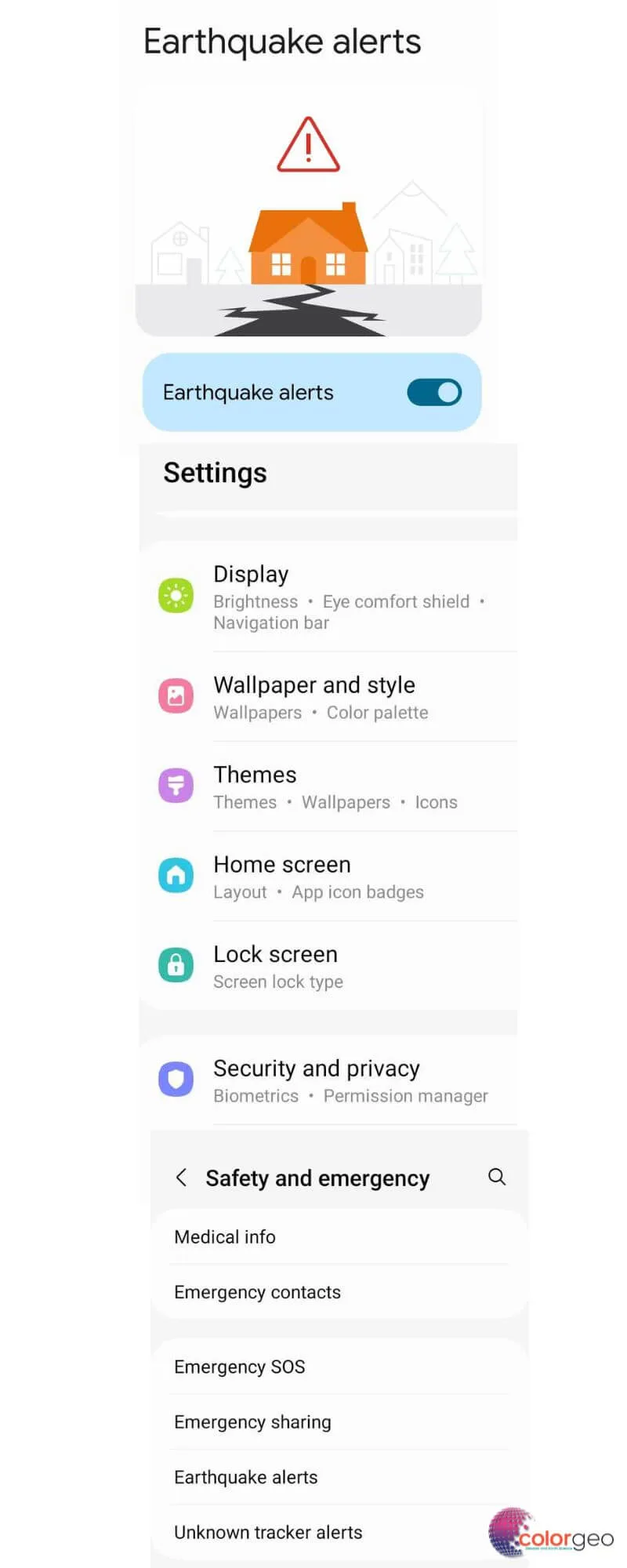
How do you turn on earthquake alerts on your Android phone?
Here are the steps to do that:
→ Go to your Phone Setting option
→ Click on Safety and Emergency
→ Click on “Earthquake Alert”
If this option does not work properly due to the country’s regulations.
Do the following alternative options.
→ Go to your phone`s Settings option
→ Click On Location
→ Scroll Down to find out the “Earthquake Alert”
To enable this you need to have a WIFI or your phone Internet data turn on.
Here are the tips for Earthquake Alert Turn on in iPhone
→ Go to your Settings.
→ Turn on “Notifications”
→ Scroll Down to find out the “Emergency Alerts”
→ Click “Turn on”
Thats it.
Now I will show you how to turn on “earthquake alert” in Google Browser.
Get Help during an emergency with your Android Phone:
You can use the personal safety app to save and share your emergency info. Your Phone can also contact emergency services automatically in some countries and regions and with certain carriers.
Prepare for an emergency:
Anyone who can pick up your phone can see the Earthquake alert message and emergency information even if your phone is locked. However, you can turn this service off in the safety App.
The Personal Safety app is available on some Smartphones.
Find out an Earthquake in your area:
Your phone can detect an earthquake in your location. To learn more about an earthquake nearby, open Google search and search for “earthquake in YOUR LOCATION”
To stop the notification of “Earthquake Alert” Just Turn off your phone’s “Google Location accuracy”.
However, Your Phone can use an approximate location to send you an Earthquake alert of about Magnitude of more than 4.5.
These earthquake alert services are based on the data from the “shake alert” That is active in the US states.
The Earthquake alert notification is based on the service “Android earthquake alert System”
DETECTION SPEED:
Earthquake Alert A boasts rapid detection capabilities, ensuring that users receive timely warnings. In contrast, Earthquake Alert B lags with a moderate detection speed, potentially impacting the lead time for evacuation. Meanwhile, Earthquake Alert C takes the lead with an instantaneous
GEOGRAPHIC COVERAGE:
Consider the reach of these systems in terms of geographic coverage. Earthquake Alert A focuses on regional warnings, suitable for localized seismic events. Earthquake Alert B expands its coverage to a national scale, offering broader protection. On the other hand, Earthquake Alert C stands out by providing global coverage, making it an ideal choice for those who travel frequently or live in diverse locations.
NOTIFICATION ACCURACY:
Accuracy is paramount when it comes to earthquake alerts. Earthquake Alert A maintains high accuracy levels, minimizing false alarms. Earthquake Alert B, while reliable, falls into the medium range, potentially causing unnecessary panic. Earthquake Alert C shines in this aspect, boasting exceptional accuracy and minimizing the margin of error.
USER-FRIENDLY INTERFACE:
Ease of use is a critical factor, especially during times of crisis. Earthquake Alert A and Earthquake Alert C score well in user-friendly interfaces, ensuring that individuals of all technical backgrounds can navigate the system with ease. Unfortunately, Earthquake Alert B falls short, lacking the intuitive design necessary for swift action.
TOXIC RANGES AND PERMEABLE VALUES:
Drawing an analogy between seismic activity and chemical composition, we can consider the toxic ranges as the magnitude of an earthquake and permeable values as the distance the seismic waves travel. Just as toxic levels can be detrimental, higher magnitudes and wider-reaching seismic waves pose a greater threat.
Understanding the toxic ranges and permeable values aids in assessing the potential impact of an earthquake. An alert system should not only detect seismic activity but also provide information on the magnitude and potential reach of the earthquake, allowing individuals to make informed decisions based on the level of threat.
FREQUENTLY ASKED QUESTIONS (FAQs):
Q: How does an earthquake alert system work?
A: An earthquake alert system operates by detecting initial seismic waves, known as P-waves, which travel faster than the more destructive S-waves. The system analyzes the P-wave information to estimate the magnitude and location of the earthquake, issuing timely alerts to the affected areas.
Q: Can earthquake alerts be false alarms?
A: While rare, false alarms can occur due to various factors such as technical glitches or minor seismic events. However, advancements in alert system technology have significantly reduced the likelihood of false alarms, prioritizing accuracy and reliability.
Q: Are earthquake alerts always accompanied by evacuation recommendations?
A: Earthquake alerts typically include information on the magnitude and location of the seismic event. Evacuation recommendations depend on the perceived threat level, and individuals are advised to follow emergency guidelines provided by local authorities.
Q: What measures can individuals take to enhance their preparedness for earthquake alerts?
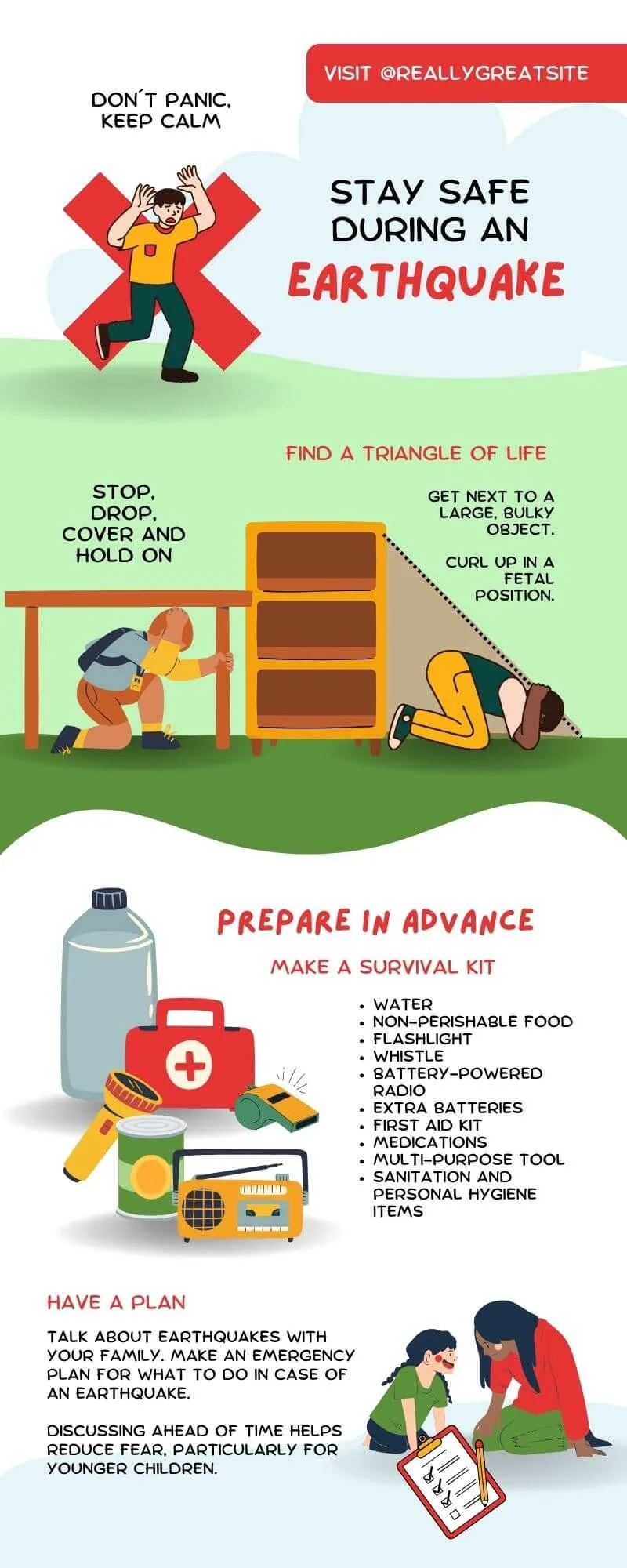
A: Individuals can take proactive steps to enhance their earthquake preparedness by securing heavy furniture, creating an emergency kit with essential supplies, and having a family emergency plan in place. Staying informed about local alert systems and participating in community drills further strengthens preparedness.
Q: Are there different types of earthquake alerts for various magnitudes of seismic activity?
A: Yes, earthquake alerts are often tailored to the magnitude of the seismic event. Systems may issue different levels of alerts, indicating the severity of the earthquake. Understanding these distinctions helps individuals gauge the potential impact and take appropriate actions based on the alert level provided.