Climate Change
-
50 Ways to Reduce Climate Change
50 Ways to Reduce Climate Change: Your Action Guide for a Greener Future Climate change is one of the most critical challenges humanity faces today, impacting our environment, economies, and the well-being of future generations. The good news is that there are numerous ways we can collectively contribute to reducing climate change and creating a more sustainable world. In this article, we’ll delve into 50 practical and impactful ways to make a positive difference. By embracing these strategies, we can collectively pave the way for a greener future. 1. Embrace Renewable Energy Sources Transitioning from fossil fuels to renewable energy sources like solar, wind, and hydropower is a pivotal step…
-
Dissolved oxygen meter measures the Declining Oxygen
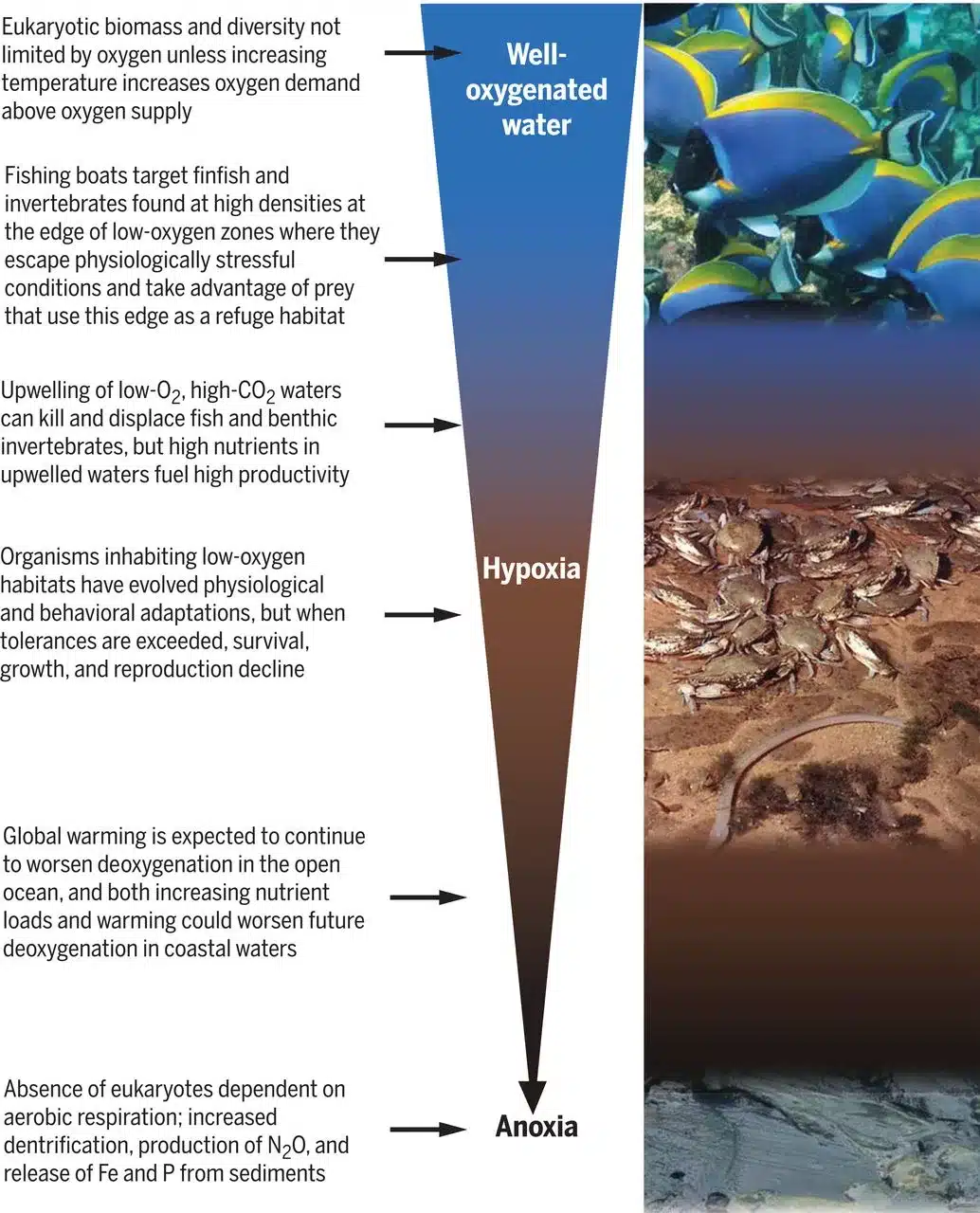
Unfolding the Crisis: Dissolved oxygen meter measures the Declining Oxygen in the Global Ocean and Coastal Waters Dissolved oxygen meter; How it Works A dissolved oxygen meter is a scientific instrument used to measure the concentration of dissolved oxygen (DO) in a liquid, typically in water bodies such as lakes, rivers, oceans, and aquariums. Dissolved oxygen is a crucial parameter for assessing the health and quality of aquatic ecosystems, as it directly affects the survival of aquatic organisms and reflects the overall condition of the water body. Working Principle of Dissolved oxygen meter: The dissolved oxygen meter operates based on the principle of the Clark electrode or polarographic method. It…
-
Is Carbon Monoxide Heavier Than Air?
Is Carbon Monoxide Heavier Than Air? Unveiling the Truth When it comes to carbon monoxide (CO), an odorless and colorless gas, many wonder about its behavior in the air. Specifically, people often ask, “Is carbon monoxide heavier than air?” In this article, we will delve into the world of gases, exploring their properties, behaviors, and ultimately uncovering the truth about carbon monoxide’s weight relative to air. Understanding Gases: A Brief Overview To comprehend the weight of carbon monoxide in relation to air, we must first understand the basics of gases. Gases, unlike solids and liquids, have no fixed shape or volume. They are characterized by their ability to diffuse and…
-
7 Female Chief Heat Officer in the World
How ‘chief heat officer’ keep cities cool as the world Warms Chief Heat Officers, also known as Heat Resilience Officers or Urban Heat Officers, are professionals who work towards keeping cities cool and resilient in the face of rising temperatures due to climate change. While specific individuals holding this title may vary across cities and organizations, their role generally involves implementing strategies to mitigate urban heat and protect the population from extreme heat events. Here are some ways in which Chief Heat Officer and similar professionals work to keep cities cool: Heat Mitigation Strategies: Chief Heat Officers develop and implement strategies to mitigate the urban heat island effect, which is…
-
Air Pressure at the Center of a Cyclone is Eye: 4 Ex
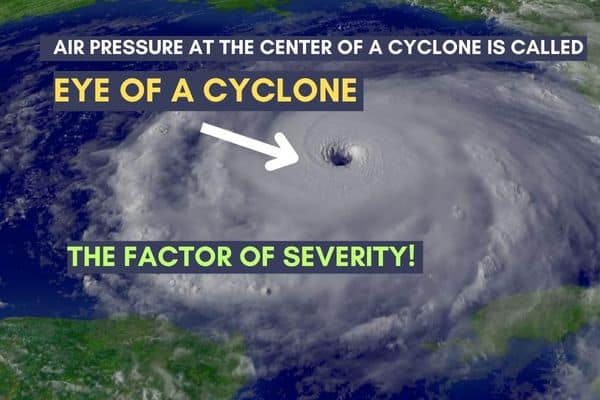
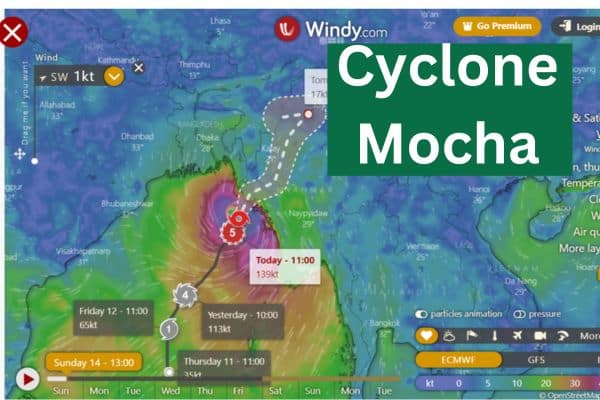
The significance of Air Pressure at the Center of a Cyclone is eye plus 4 factors of a Super Cyclone. What factors indicate a cyclone is severe or not severe? Several factors can indicate the severity of a cyclone. Wind Speed: The intensity of a cyclone is often classified based on its maximum sustained wind speed. The Saffir-Simpson Hurricane Wind Scale is commonly used for hurricanes in the Atlantic and Northeast Pacific, while the India Meteorological Department (IMD) uses a different scale for cyclones in the North Indian Ocean. Higher wind speeds generally correspond to a more severe cyclone. Air Pressure at the Center of a Cyclone: The Air Pressure…
-
Heat Waves: Understanding, Preparing for, and Mitigation
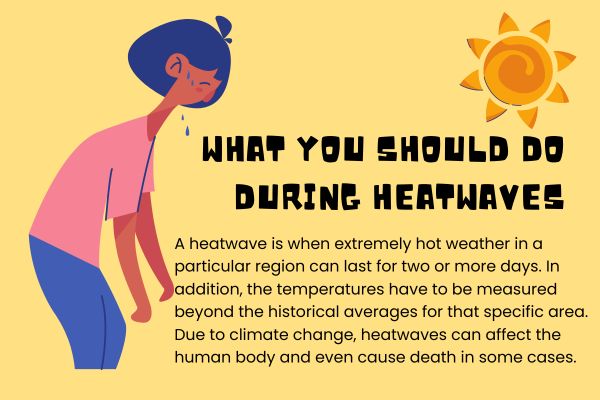
Heat Waves: Understanding, Preparing for, and Mitigation Dhaka city experiences a subtropical climate, with hot and humid summers and mild winters. The city generally experiences high temperatures throughout the year, with the hottest months being April, May, and June. The monsoon season in Dhaka lasts from June to September, during which time the city experiences heavy rainfall and occasional flooding. This season can also bring some relief from the extreme heat. In terms of extreme temperature, the hottest months of the year in Dhaka are generally April, May, and June, with temperatures often exceeding 35 degrees Celsius (95 degrees Fahrenheit). The coldest months are typically December and January, with temperatures…
-
Heat Wave in Bangladesh: Causes, Impacts
Heat Wave in Bangladesh: Causes, Impacts Heat waves are a common occurrence in Bangladesh, especially during the summer months. With temperatures rising as high as 40°C or more, the heat can be unbearable for many people, causing various health hazards and environmental issues. In this article, we will discuss the causes, impacts, and precautions of heat wave in Bangladesh. Why Heat Wave in Bangladesh is so hot in Bangladesh? Bangladesh is located in the tropical region of the world, which means that it receives abundant sunlight throughout the year. During the summer months, the intensity of the sun’s rays increases, causing the temperature to rise. Additionally, the country’s topography and geography…
-
Impacts of Climate Change is Slow in Bangladesh?
Impacts of Climate Change are Slow as Coastal Accretion in Bangladesh is increasing The impacts of Climate Change in Bangladesh are slowing down as land accretion in Bangladesh is increasing in the southern part of Bangladesh. Recently, a research report published in the peer review journal shows that the net coastal area of Bangladesh is increasing every year. That means the net coastal area of Bangladesh is added to Bangladesh. This is good news for the country. The Impacts of Climate Change, as climate change would inundate the coastal land in Bangladesh but the overall process is gaining the land in the coastal area of Bangladesh. Erosion is one of…
-
7 Climatic zones of Bangladesh
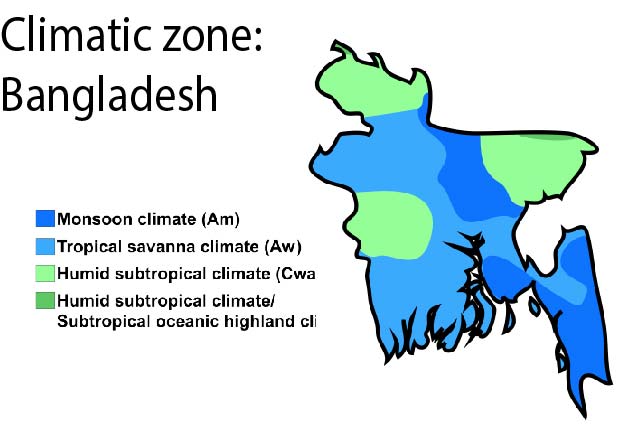
Climatic zones of Bangladesh Bangladesh is located in the subtropical monsoon region. Different parts of the country experience different intensities of the seasons. On the basis of the entire climatic condition, Bangladesh can be divided into the following seven distinct climatic zones. A familiar pattern of northwest to southeast isopleths can be seen in this classification. Climatic zones of South-Southeast zone (A) It includes the Chittagong sub-region and a strip of land extending south of Comilla from the southwest Sundarbans. There is a northeastern climate on hills over 300 meters high. The rest of the area has a small range of temperature, rarely going over a mean of 32°C and…
-
Adaptive Planning
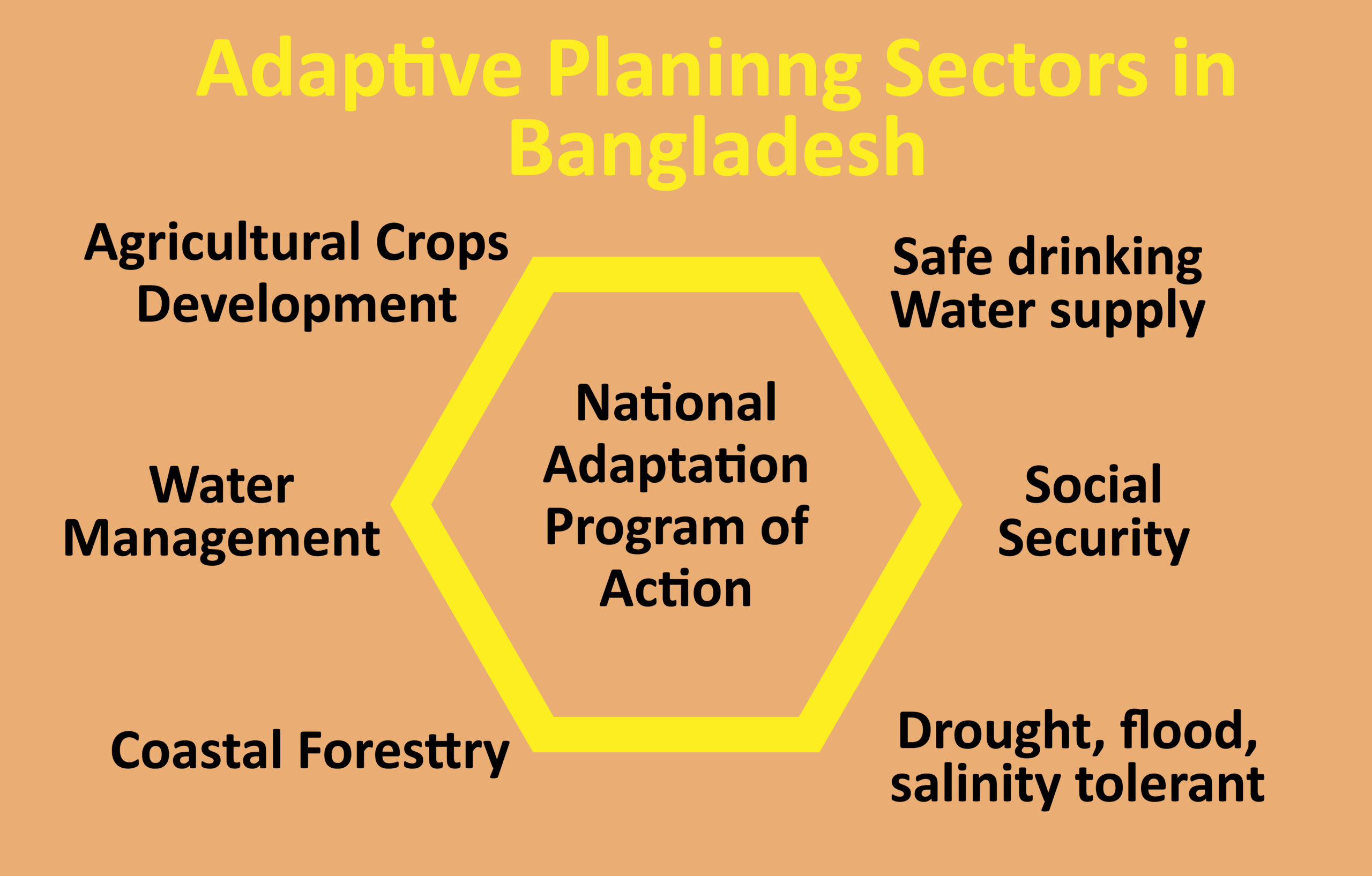
Adaptive Planning Adaptive planning is a plan that is designed to adapt to the environment through implementation. The National Adaptation Action Plan, better known as NAPA, was developed to adapt to climate change. In 2005, the Government of Bangladesh adopted this action plan under the program set for adaptation and adaptation to climate change in the light of the decision of the United Nations Convention on Climate Change. Adaptive Planning in Bangladesh National Adaptation Program of Action (NAPA) Support is being provided from Climate Change Cell of CDMP to implement the National Adaptation Action Plan. Some pilot projects of the Adaptation Action Plan have already been implemented and feedback has…
-
Climate Change in Bangladesh: Impact 5 Challenges
Climate Change in Bangladesh Climate Change in Bangladesh: Understanding the Impact and Challenges Climate change has become one of the most pressing issues of our time, and no country is immune to its effects. However, some countries are more vulnerable to the impact of climate change than others, and Bangladesh is one such country. This article aims to provide an analytical perspective on climate change in Bangladesh and how it affects the country and its people. How is Bangladesh affected by climate change? Bangladesh is one of the most climate-vulnerable countries in the world due to its geography, low-lying deltaic terrain, and high population density. The country is prone to…
-
Climate change is the cause of dengue outbreak in Bangladesh
The world`s climate is changing every day of human activities. The greenhouse gas emission from developed countries by the burning of fossil fuel and other human activities are the main causes of recent climate change. The world is changing and getting hotter and hotter due to human activity. The more we burn fossil fuel the more greenhouse gas like methane and carbon dioxide and other gases emits into the atmosphere and causes the climate hot. What is the relationship between climate change and the dengue fever outbreak? If the climate is hot then all the vector-borne diseases like dengue outbreaks. Because the infectious disease caused by the mosquito and other…
-
Environmental Science and Disaster Management
FACULTY OF ENVIRONMENTAL SCIENCE AND DISASTER MANAGEMENT PATUAKHALI SCIENCE AND TECHNOLOGY UNIVERSITY DUMKI, PATUAKHALI-8602. Sub: Schedule for Final Examination of B. Sc. in Environmental Science and Disaster Management (Hons.) 2nd Semester (L-1, S-2), July-December 2020. Schedule for Final Examination (Theoretical) of B. Sc. in Environmental Science and Disaster Management (Hons.) 2nd Semester (L-1, S-2), July-December 2020, Session: 2019-2020, Hall Name: D-108, ESDM Seminar Library (Ground Floor) (S-38, R-1): Course Code Course Title CR. HR. Number of Regular Student Number of Repeat/ Course Repeat Student Date of Examination Time ENS 121 Environmental Chemistry 2 38 1 (1606041, 8th) 02.06.2022 11:00 AM-01:00 PM DRM 121 Disaster Risk Reduction: Principles and Practices…
-
17 Challenge of SDG Goal: Clean Air
pollution